
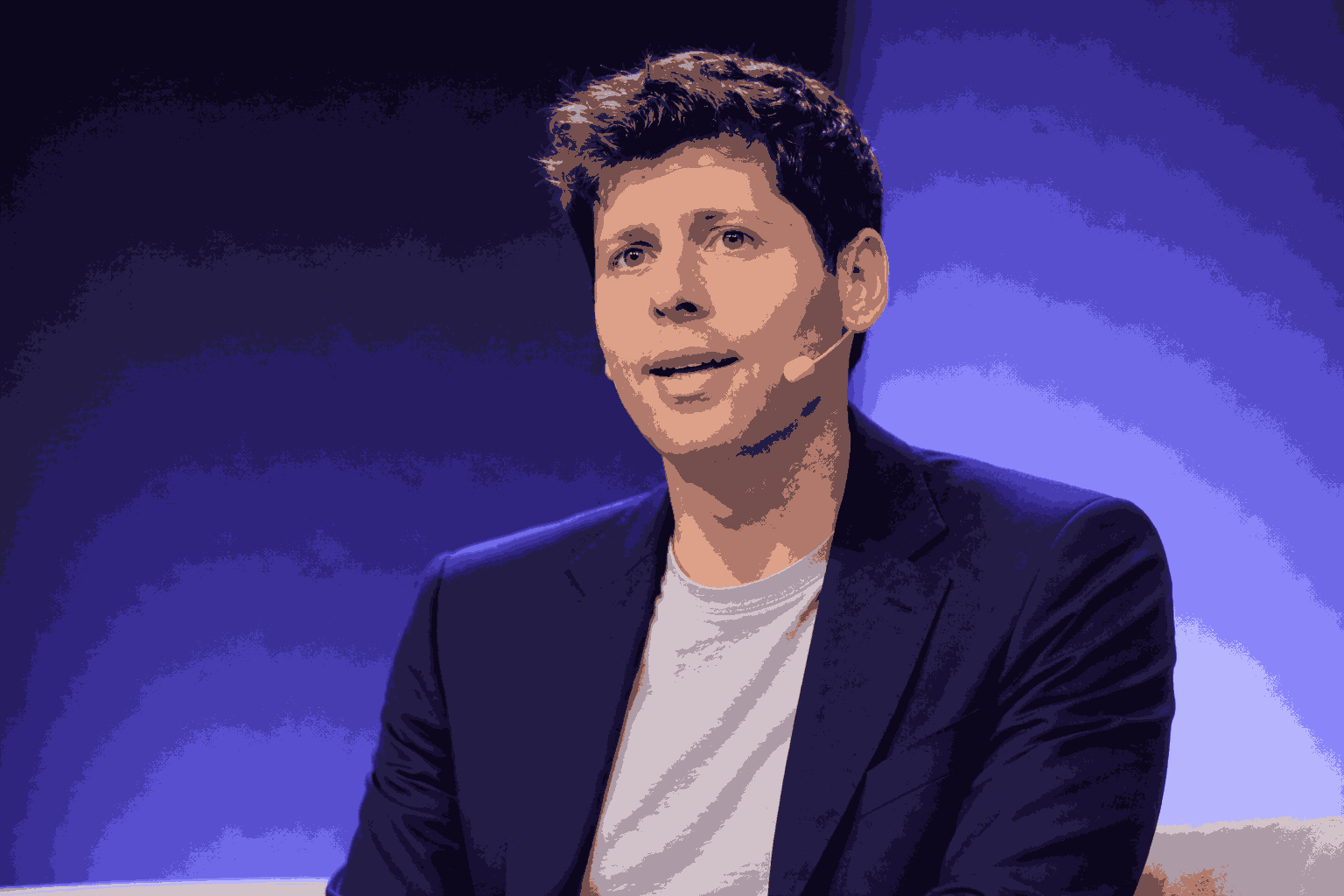
Sam Altman’s AI Energy Comments Spark Online Debate
OpenAI CEO Sam Altman has stirred significant discussion online after addressing concerns about artificial intelligence and its environmental footprint. Speaking at the Express Adda session during the India AI Impact Summit 2026, Altman challenged claims that AI systems are an ecological burden.
During the event, Altman rejected widely circulated claims suggesting that each query made to tools like ChatGPT consumes large amounts of water. He described such figures as inaccurate and exaggerated, stating that they do not reflect real-world data.
However, he acknowledged that the overall energy consumption of AI systems is a serious issue. According to Altman, the growing global demand for AI means total electricity use is rising. He suggested that the solution lies in accelerating the transition toward cleaner energy sources such as nuclear, wind, and solar power.
Comparing AI Training to Human Development
A key point of controversy emerged when Altman compared the energy required to train AI models to the resources needed to raise and educate a human being. He argued that critics often focus on the energy used to train large AI models like GPT-4 but fail to consider the years of food, education, and societal development required to “train” a human brain.
Altman further stated that once an AI model has been trained, the energy required to answer a single query may be lower than the energy cost of a human performing the same task. In his view, a fair comparison should measure the per-query energy usage of AI after training rather than the one-time cost of model development.
Backlash on Social Media
The remarks quickly attracted criticism on social media platform X. Some users interpreted Altman’s analogy as reducing humans to biological processors, arguing that such comparisons overlook the intrinsic value of human life.
One critic, described the analogy as troubling, claiming it frames people as inefficient systems that require excessive resources before becoming useful. According to him, this mindset risks prioritizing computational power over human and environmental well-being.
Other users questioned whether leaders shaping the future of AI should adopt such perspectives, expressing discomfort over what they viewed as a utilitarian comparison between machines and people.
A Broader Debate on AI and Sustainability
The episode highlights a growing global debate around AI sustainability. As artificial intelligence becomes deeply integrated into industries, concerns over data center energy use, water consumption, and carbon emissions continue to rise.
While Altman emphasized the importance of clean energy adoption, critics argue that technological progress must be carefully balanced with environmental responsibility and ethical considerations.
The controversy reflects deeper philosophical questions about how society values human intelligence versus artificial intelligence — and how far comparisons between the two should go.